Jump to section
S Corp Tax Preparation: What It Takes and What to Send
What goes into an S corp return, the documents to gather, the 2027 dates that matter, and the mistakes that slow it down.
·8 min read·Updated November 18, 2026·By Abby Melby
Key Takeaways
- An S corp return is really two returns: the 1120-S for the business and a 1040 for every owner, built from the K-1.
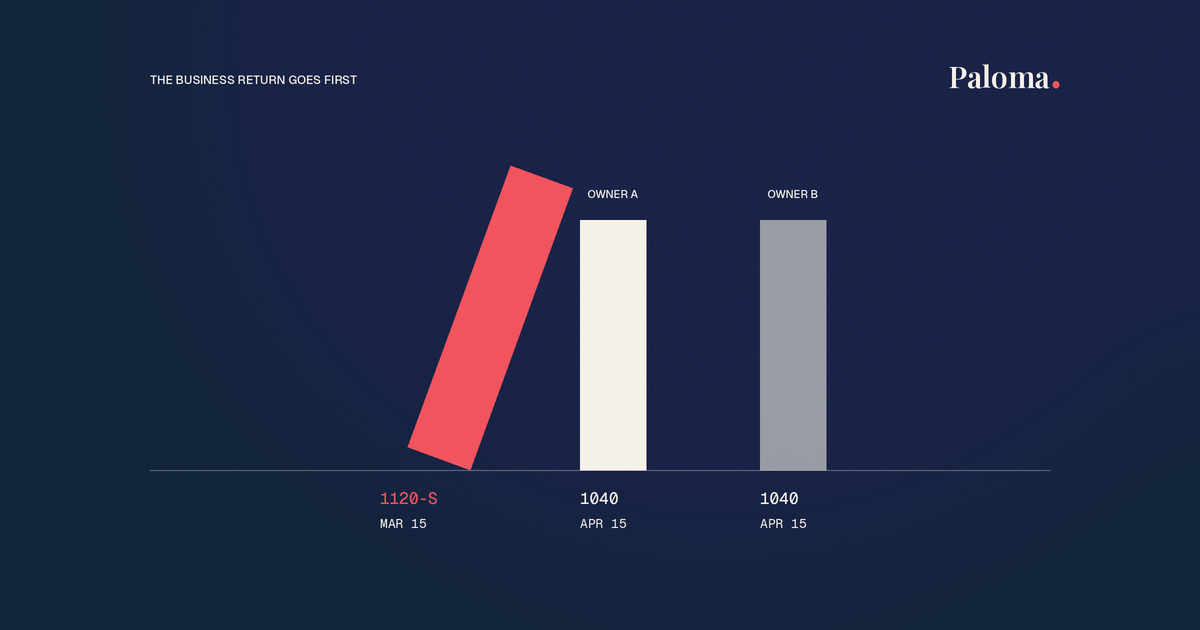
- The business return comes first. If it runs late, every owner's personal return waits on it.
- Clean, reconciled books are the single biggest thing you control. They decide how fast and how accurate the return is.
- Owners who work in the business need a reasonable salary through payroll before taking distributions.
- Missing the 1120-S deadline costs a penalty per shareholder, per month, even when no tax is due.
S corp tax preparation means filing Form 1120-S for the business, issuing a Schedule K-1 to each owner, and using those K-1s on each owner's personal return. For a calendar year S corp, the 2026 return is due March 15, 2027. The work goes fastest when your books are reconciled before you hand anything over.
What S corp tax preparation actually includes
An S corp doesn't usually pay federal income tax itself. The IRS describes S corporations as corporations that elect to pass income, losses, deductions and credits through to their shareholders. So the business files a return that reports everything, and the owners pay the tax on their share.
Here's what that looks like in practice:
- Form 1120-S. The business return. It reports the year's income, deductions, gains and losses.
- Schedule K-1 for each shareholder. Each owner's slice of the results. If there are two owners, there are two K-1s.
- Each owner's Form 1040. The K-1 numbers flow onto the owner's personal return, usually through Schedule E.
- Payroll filings during the year. If owners work in the business, they get paid wages, so the S corp files Forms 941 and 940 and issues W-2s.
- A state return. Your state may have its own S corp filing too, so check yours.
The IRS also notes that S corps filing 10 or more returns of any type in a year have to e-file the 1120-S.
If you're still deciding whether your LLC should be taxed as an S corp at all, our guide on whether you need a CPA for your LLC walks through how each setup changes the work. This post assumes the election is already in place.
The order things happen in
The part that trips people up is the order. The business return has to be done before anyone's personal return can be finished, because the K-1 comes out of the 1120-S.
For tax year 2026, here are the dates that matter for a calendar year S corp, based on the IRS rules for each form:
- March 15, 2027: Form 1120-S is due. That's the 15th day of the 3rd month after the tax year ends.
- April 15, 2027: Owners' Form 1040s are due.
- September 15, 2027: Extended 1120-S deadline, if the business filed Form 7004 for its automatic 6 month extension.
- October 15, 2027: Extended 1040 deadline, if the owner filed Form 4868.
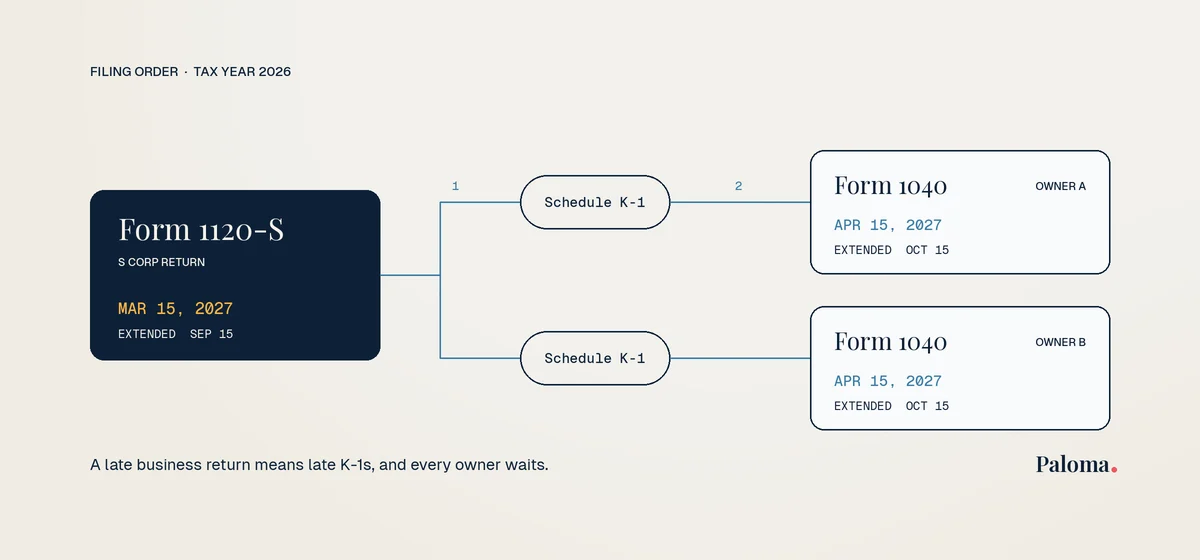
So if the 1120-S slips into the extension window, plan on extending your personal return too. And an extension gives you more time to file. It doesn't give you more time to pay what you owe on your personal return.
Get your tax prep quote
A fixed quote within 24 hours, signed off by a licensed tax pro
What to send your preparer
This is the field checklist. If you send all of this at once, your preparer can usually start right away instead of emailing you questions for two weeks.
Business records
- Year end profit and loss statement and balance sheet
- Bank and credit card statements for every business account, reconciled through December 31
- Loan statements showing the year end balance and interest paid
- A list of assets bought or sold this year (equipment, vehicles, computers) with dates and amounts
- Last year's 1120-S, if someone else prepared it
- Your IRS acceptance letter for the S corp election, if this is your first year
Payroll and owners
- Payroll reports for the year, including Forms 941, 940 and all W-2s
- Health insurance premiums paid for owners, and who paid them
- A record of distributions to each owner (dates and amounts)
- Any money owners put into or loaned to the business
- Each owner's ownership percentage and any changes during the year
Other forms
- 1099s you received (1099-K, 1099-NEC, 1099-INT)
- 1099-NECs you issued to contractors
- State payroll and sales tax filings, if you have them
If your books aren't reconciled yet, say so up front. That's a separate job from the return, and it's better to know it's coming than to find out halfway through.
Five things that slow down an S corp return
1. Books that aren't reconciled
Bank feeds that were never matched, personal charges on the business card, and uncategorized transactions all have to get cleaned up before the return can be right. This is the delay to plan for first.
2. No owner salary, or a salary that doesn't fit the work
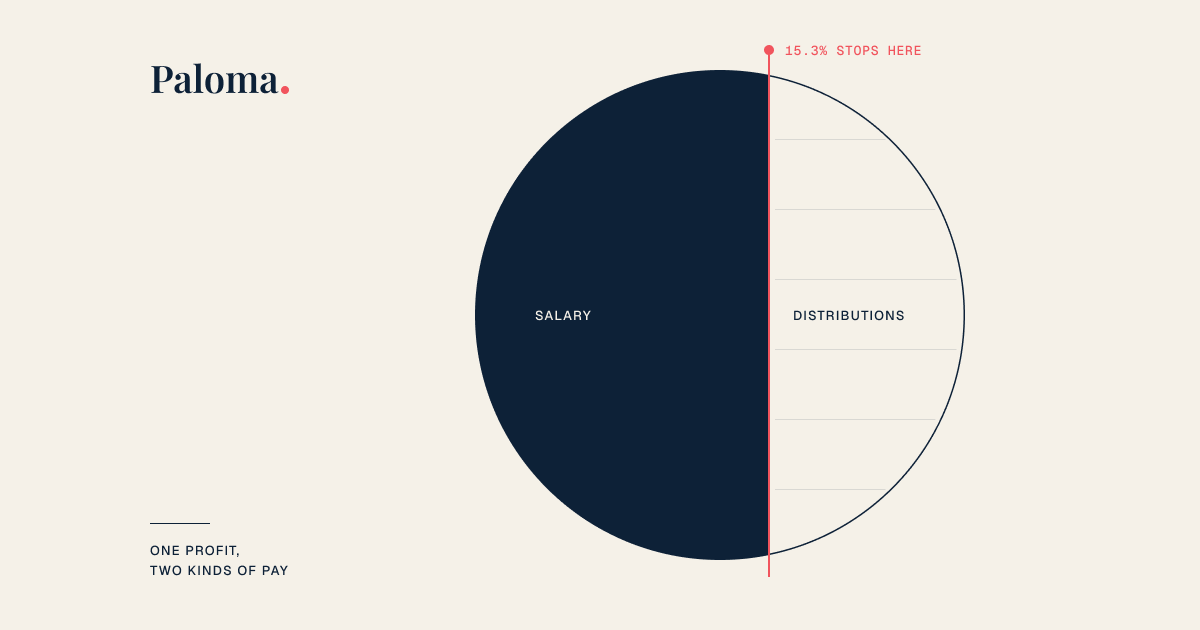
The IRS says S corporations must pay reasonable compensation to a shareholder employee for their services before taking non wage distributions. If an owner worked in the business full time and took only distributions, expect your preparer to ask about it. The fix usually involves payroll, which is easier to set up going forward than to fix after the year ends.
3. Owner health insurance handled the wrong way
For owners with more than 2% of the company, the IRS says health insurance premiums paid by the S corp get deducted by the business and reported as wages on the owner's W-2. If an owner bought a policy personally and the company was never involved, the IRS says the owner can't take the above the line deduction. This one is much easier to set up right in January than to untangle in March.
4. Distributions nobody tracked
Your preparer needs a record of every distribution to each owner, with dates and amounts. If nobody tracked them, someone has to rebuild that list from bank statements before the return can be finished.
5. Waiting on a missing K-1 or 1099
If your S corp owns part of another business, or you're waiting on a corrected 1099, the return can't close until it shows up. Flag these early so your preparer can plan around them.
What a late 1120-S actually costs
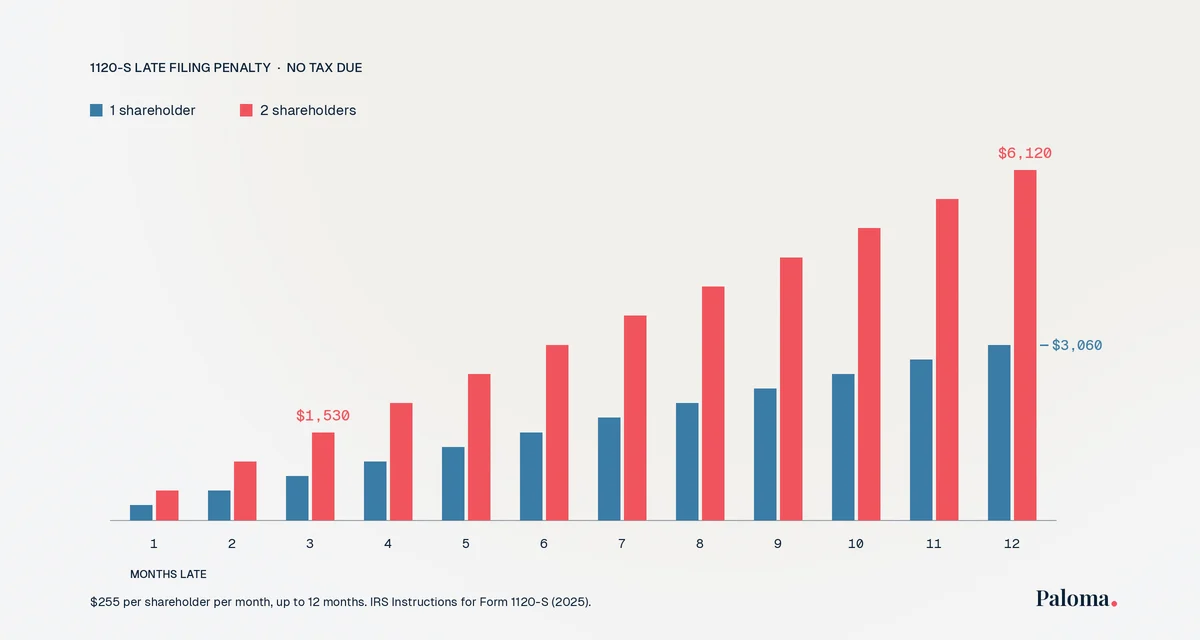
The late filing penalty is what makes the March deadline worth taking seriously. In the IRS instructions for 2025 returns, the penalty for a late 1120-S is $255 for each month or part of a month the return is late, up to 12 months, multiplied by the number of shareholders. That applies even when the S corp owes no tax.
Here's a hypothetical example: an S corp with 2 owners files 3 months late. That's $255 × 2 shareholders × 3 months, or $1,530 for a return that showed no tax due. A single owner S corp that's a full year late would owe $3,060.
If you know you won't make March 15, Form 7004 gets you the automatic 6 month extension. It just has to be filed by the original due date.
Start your return
Answer a short form about your year and upload documents from your phone
Doing it yourself vs. hiring help
Some owners prepare their own 1120-S. It's doable if your books are clean, you have one owner, payroll is already running and nothing unusual happened during the year.
It's worth getting help when:
- You have more than one owner, or ownership changed during the year
- This is your first year as an S corp
- You're not sure whether your salary is reasonable
- You bought or sold big assets, or took out a loan
- Your books need cleanup before anyone can file
If you're weighing the cost, our guide to how much it costs to have business taxes done breaks down what drives the price.
At Paloma we prepare S corp returns from your reconciled books, with a K-1 for each shareholder, and we can do the business return and the owners' 1040s together in one engagement. Every return is reviewed and signed off by a licensed tax professional before it's filed. You can see how it works on our page for online tax preparation for small businesses.
If you're deciding who should keep your books and who should file, we walked through how bookkeeping and tax services for small business fit together.
Frequently Asked Questions
When is an S corp tax return due?
Form 1120-S is due on the 15th day of the 3rd month after the tax year ends. For a calendar year S corp, the 2026 return is due March 15, 2027.
Can I extend my S corp return?
Yes. Form 7004 gives an automatic 6 month extension of time to file, as long as it's filed by the original due date. For a calendar year S corp that moves the deadline to September 15, 2027.
Do I need to file a personal return if I own an S corp?
Yes. The S corp passes its income through to you on a Schedule K-1, and you report it on your own Form 1040. That's where the tax on your share actually gets paid.
Do I have to pay myself a salary from my S corp?
If you work in the business, the IRS says the S corp must pay you reasonable compensation for your services before taking non wage distributions. Your preparer can help you think through what's reasonable for your role.
What happens if I file my 1120-S late?
The IRS charges a penalty for each month or part of a month the return is late, up to 12 months, multiplied by the number of shareholders. For 2025 returns that amount was $255 per shareholder per month, even if no tax was owed.
Do I need bookkeeping before my S corp return can be done?
Your books need to be reconciled through year end. If they aren't, that cleanup comes first. Many firms, including ours, work with partner bookkeepers who can reconcile accounts and categorize the year's transactions.
Getting your S corp return off your plate
The easiest S corp tax season starts with reconciled books, an owner salary already on payroll, and one complete set of documents. If you'd like help with the 1120-S and your owners' returns, take a look at our online tax preparation for small businesses and get a fixed quote within 24 hours. You can also browse all of our tax guides or book a quick chat with Abby.
Get help with your taxes
Related Articles
LLC vs S Corp Taxes: How the Math Works and When to Switch
An LLC is a legal entity and an S corp is a tax election. See how each is taxed, a side by side example, and when electing S corp status pays off.
Read more →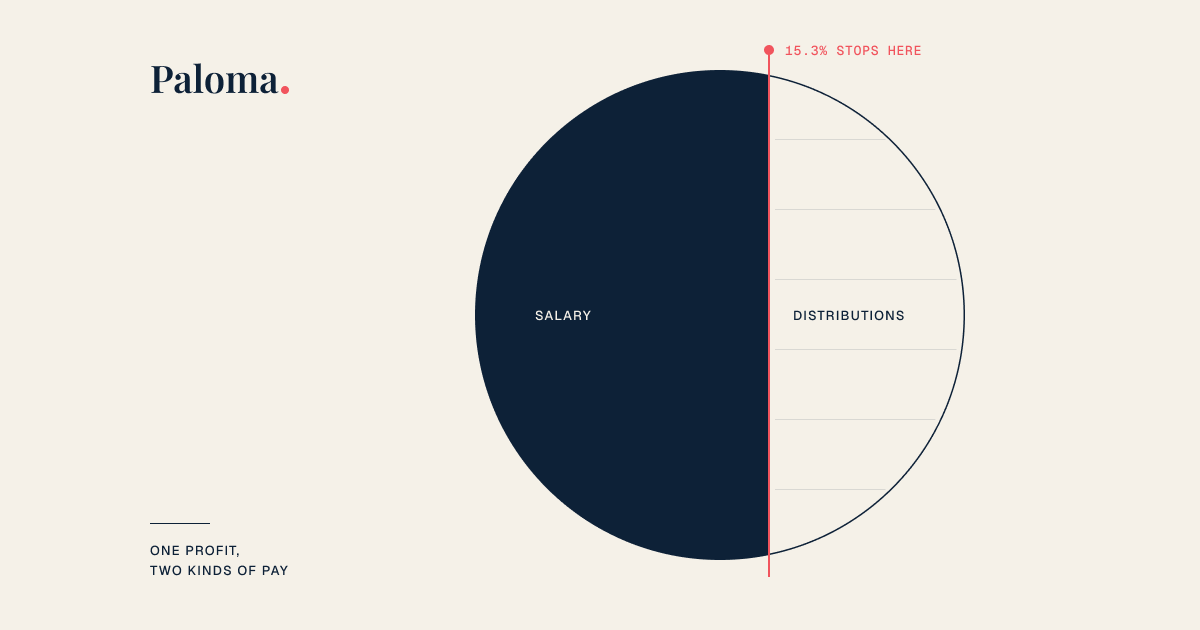
LLC vs S Corp Taxes: How the Math Works and When to Switch
An LLC is a legal entity and an S corp is a tax election. See how each is taxed, a side by side example, and when electing S corp status pays off.
Read more →
How to File Taxes for a Single Member LLC: A Simple Checklist
A plain guide to filing taxes for a single member LLC: Schedule C, Schedule SE, payroll forms, state fees, deadlines and the mistakes to skip.
Read more →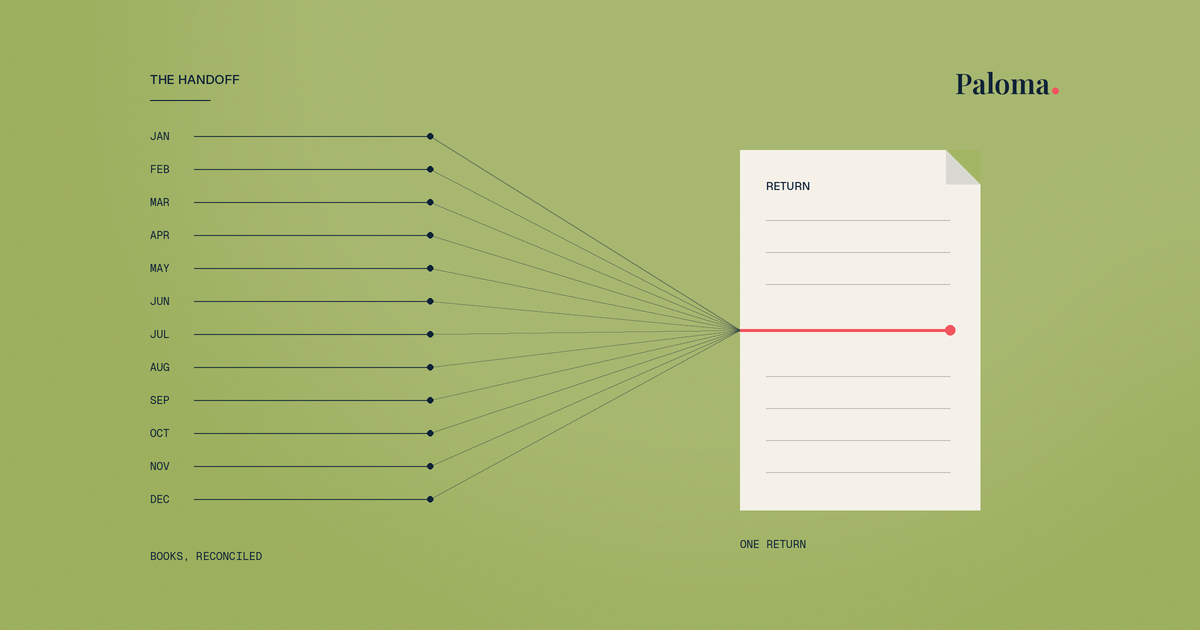
Bookkeeping and Tax Services for Small Business: How They Fit
What a bookkeeper does, what your tax preparer does, the records the IRS expects you to keep, and how to set up both before the 2027 season.
Read more →Want someone to handle your taxes?
Paloma prepares returns for freelancers, small businesses and individuals, with a fixed quote within 24 hours.
Get your quote